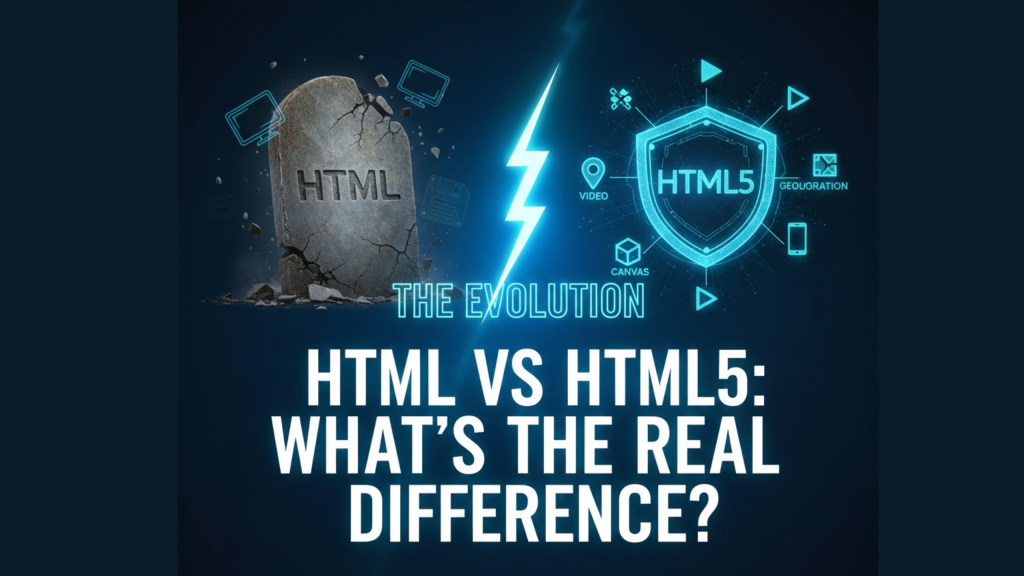
When you start learning web development, the first comparison you’ll encounter is HTML vs HTML5: What’s the real difference? While they belong to the same family, the “5” represents a massive leap from a simple document-sharing language to a full-blown application builder. In 2026, understanding this evolution is the difference between building a static page and a high-performance web app.
At WeBlogTrips, we believe every developer should understand their tools deeply. Let’s dive into the HTML vs HTML5: What’s the real difference? debate by looking at the technical upgrades that changed the internet forever.
⚡ HTML vs HTML5: What’s the Real Difference at a Glance?
If you are looking for the technical “TL;DR” on HTML vs HTML5: What’s the real difference?, this comparison table summarizes the shift in 2026 standards.
| Feature | HTML (Legacy) | HTML5 (Modern) |
| Multimedia | Requires Flash/Silverlight | Native <audio> & <video> |
| Graphics | No native support | <canvas> & <svg> integration |
| Storage | Cookies (4KB limit) | Web Storage (5MB+ limit) |
| Mobile | Not mobile-optimized | Built for mobile-first responsiveness |
| Geolocation | Not supported | Integrated Geolocation API |
1. HTML vs HTML5: What’s the Real Difference in Structure?
The most visible answer to HTML vs HTML5: What’s the real difference? lies in Semantic Tags. In older versions, developers used <div> tags for everything, which was a nightmare for accessibility and SEO.
HTML5 introduced tags like <header>, <footer>, <article>, and <nav>. These tell browsers and search engines exactly what the content is. This structural clarity is a major factor in HTML vs HTML5: What’s the real difference? for modern SEO performance.
2. HTML vs HTML5: What’s the Real Difference in Media?
Historically, if you wanted to play a video, you needed a third-party plugin like Adobe Flash. One critical point in HTML vs HTML5: What’s the real difference? is that HTML5 made these plugins obsolete.
With native media elements, your site loads faster and stays more secure. This is why HTML vs HTML5: What’s the real difference? is so important for mobile users who want to avoid heavy, battery-draining plugins.
3. HTML vs HTML5: What’s the Real Difference in Performance?
Under the hood, HTML vs HTML5: What’s the real difference? is about how the browser handles tasks. HTML5 allows for Web Workers, which lets JavaScript run in the background without freezing the user interface.
Furthermore, HTML5 replaced cookies with Local Storage, allowing sites to store significantly more data locally without slowing down the server. This performance gap is the ultimate answer to HTML vs HTML5: What’s the real difference? for high-traffic apps.
Frequently Asked Questions (FAQ)
1. Is HTML still used, or is it only HTML5 now?
Technically, HTML5 is HTML now. Since 2026, the W3C has moved to a “Living Standard” model. However, when people ask HTML vs HTML5: What’s the real difference?, they are usually referring to the jump from HTML 4.01 to the modern features we use today.
2. Can I use HTML5 for mobile apps?
Absolutely. One major part of HTML vs HTML5: What’s the real difference? is that HTML5 was designed with mobile devices in mind, supporting touch events and accelerometers natively.
3. Why am I getting an “Apple Security Warning” on my HTML5 site?
If you are using HTML5 APIs like Geolocation or the Camera without an HTTPS connection, you may trigger an Apple Security Warning on your iPhone. Modern browsers require secure connections for these advanced features.
Final Thoughts: HTML vs HTML5: What’s the Real Difference?
When you weigh HTML vs HTML5: What’s the real difference?, it’s clear that HTML5 isn’t just an update – it’s a new foundation. It provides the Semantics, Speed, and Security required for the modern web.
If you’re still confused about HTML vs HTML5: What’s the real difference?, just remember: HTML is the brick, and HTML5 is the smart-home technology integrated into those bricks.
More From Weblogtrips
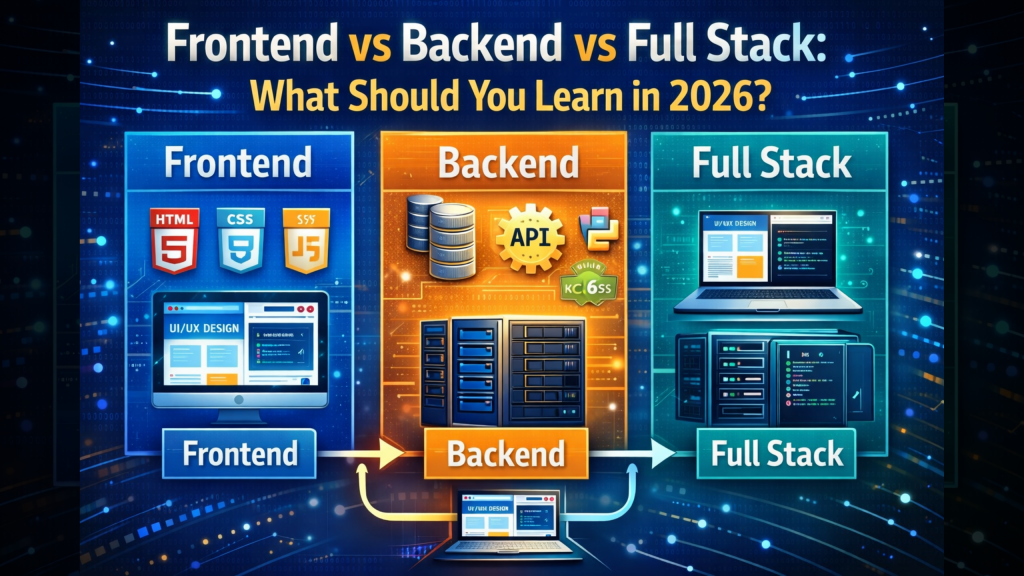
- Frontend vs Backend vs Full Stack 2026 Guide: See how HTML5 fits into the frontend developer’s toolkit.
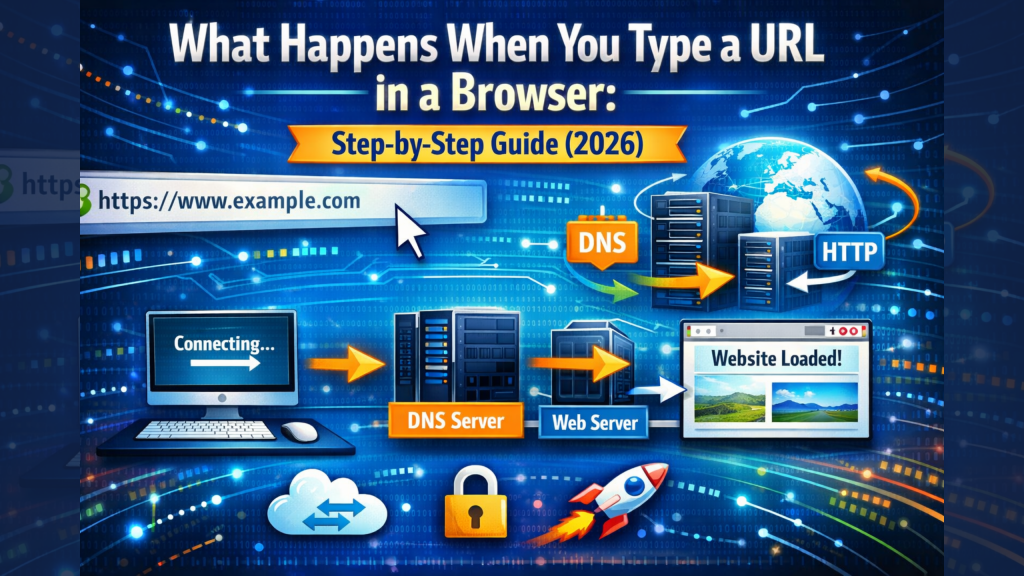
- What Happens When You Type a URL in a Browser: How the browser parses HTML5 code.
- Apple iPhone Security Warning Guide: Why HTTPS is mandatory for HTML5 APIs.
- Top 5 Free AI Logo Makers in 2026: Brand Your Business for $0
- Top 5 Free AI Website Builders in 2026: Build Your Site in Minutes
- Top 5 Free Text to Image and Video Platforms in 2026: Create Masterpieces for $0
- Top 5 Free AI Platforms 2026: Complement your audio with AI writing tools.
- Best & Safest Free VPNs 2026: See the difference between free and paid options.
- Best Website Hosting 2026: Secure your own digital infrastructure.
External Links
- W3C HTML Living Standard: The official current specification.
- Caniuse.com: Check which HTML5 features are supported in 2026 browsers.
- MDN: HTML5 Introduction: Mozilla’s definitive guide to modern HTML features.