100 days of java

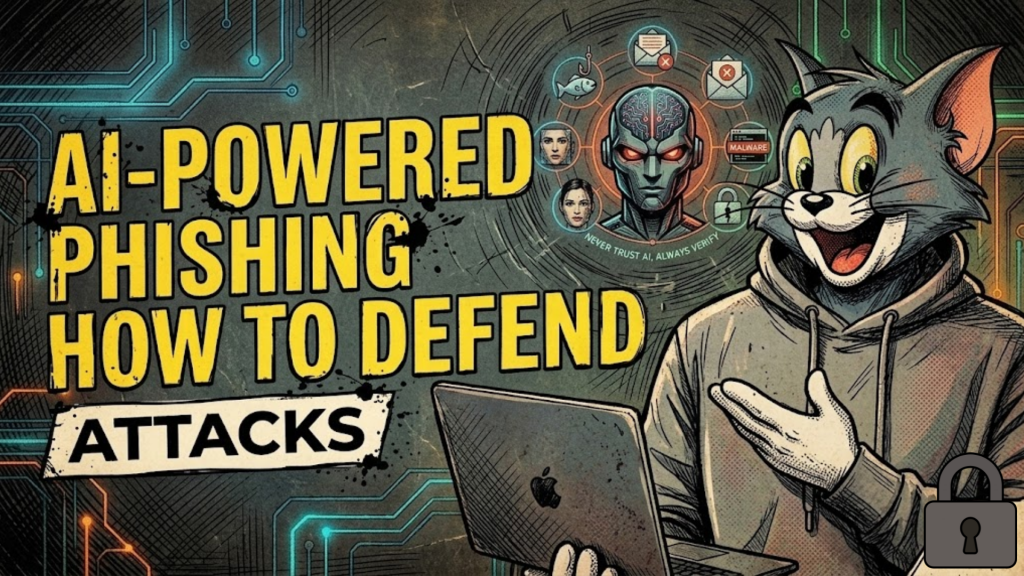
How to Defend Against AI-Powered Phishing Attacks

How to Defend Against AI-Powered Phishing Attacks

What is AI-powered phishing in 2026? AI-powered phishing (or “Generative Phishing”) uses Large Language Models (LLMs) and synthetic media to create hyper-personalized, error-free deceptions. Unlike the “clumsy” emails of the past, 2026 attacks feature perfect grammar, context-aware references to real company projects, and even voice or video clones of executives. In 2026, the “spray and

How to Defend Against AI-Powered Phishing Attacks Read More »

Zero-Trust Architecture for Web Developers: A Beginner's Guide

Zero-Trust Architecture for Web Developers: A Beginner’s Guide

What is Zero-Trust Architecture (ZTA)? Zero-Trust is a security model built on a single, uncompromising principle: “Never trust, always verify.” In the old “Castle-and-Moat” model, we assumed that anyone inside the network (connected to the office Wi-Fi or VPN) was safe. In 2026, we assume the opposite: that the network is already compromised. Consequently, every

Zero-Trust Architecture for Web Developers: A Beginner’s Guide Read More »

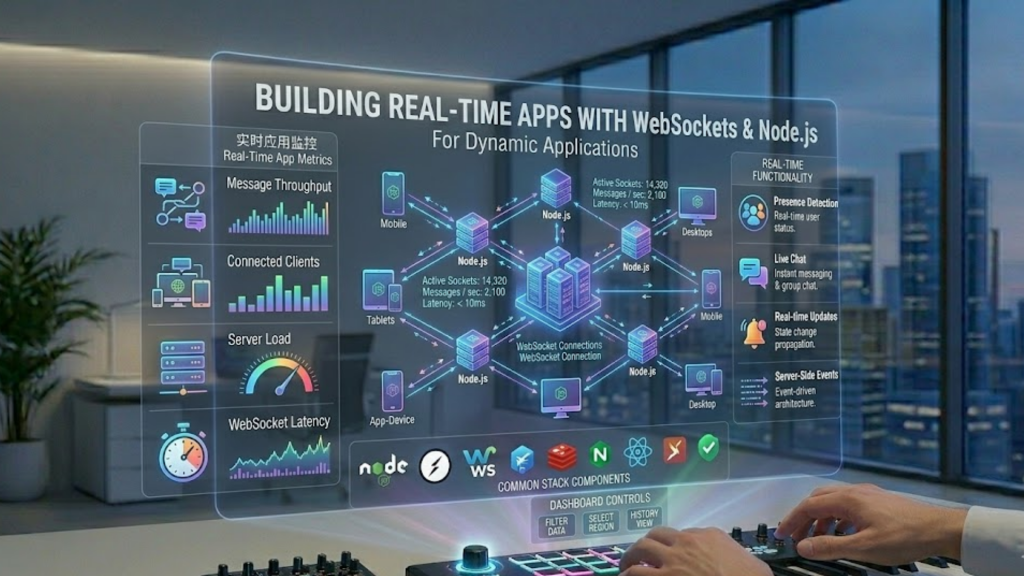
Building Real-Time Apps with WebSockets and Node.js (2026)

Building Real-Time Apps with WebSockets and Node.js (2026)

What is a WebSocket? A WebSocket is a communication protocol that provides a full-duplex, persistent connection between a client and a server. Unlike traditional HTTP, which opens and closes a connection for every single piece of data, a WebSocket opens a “tunnel” that stays open. In 2026, this is essential for “Live” experiences where the

Building Real-Time Apps with WebSockets and Node.js (2026) Read More »