100 days of java

Holographic calls performance, 5G Standalone 2026, 6G holographic communication, volumetric video streaming, ultra-low latency telepresence, edge computing for holograms, terahertz communication, tactile internet 2026.

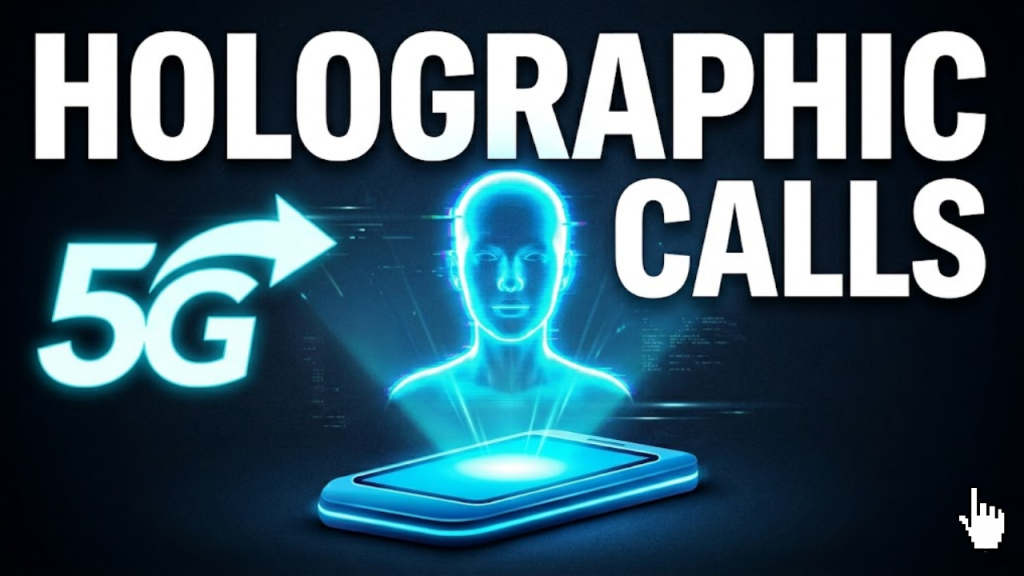
How Holographic Calls Perform on Modern High-Speed Networks (2026)

What defines holographic performance in 2026? Holographic calls represent the “stress test” for digital infrastructure. Unlike traditional flat video conferencing, these calls require volumetric video streaming, capturing a subject from 360 degrees and transmitting that data as 3D object points in real time. In 2026, performance is defined by synchronization and responsiveness; any mismatch between […]

How Holographic Calls Perform on Modern High-Speed Networks (2026) Read More »
What is "Quantum Networking" and is it the End of Traditional Cables?

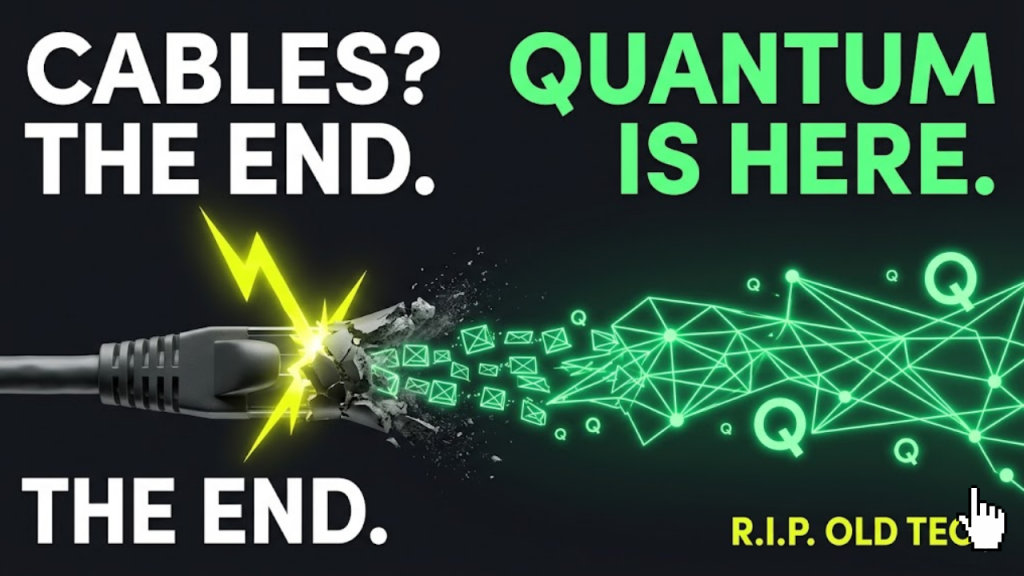
What is “Quantum Networking” and is it the End of Traditional Cables?

What is Quantum Networking? Quantum networking is a framework that uses the principles of quantum mechanics, specifically entanglement and superposition, to transmit information encoded in quantum bits (qubits). Unlike classical networks that send 0s and 1s, quantum networks allow qubits to exist in multiple states simultaneously, enabling near-instant synchronization between remote nodes. In 2026, the

What is “Quantum Networking” and is it the End of Traditional Cables? Read More »

What is the role of AI in managing Autonomous Satellite Fleets

What is the role of AI in managing “Autonomous Satellite Fleets”?

What are autonomous satellite fleets in 2026? Autonomous satellite fleets are networked constellations of spacecraft that use onboard artificial intelligence to make real-time decisions without waiting for ground-station commands. In 2026, satellites have evolved from “Level 3” (scripted from Earth) to “Level 4 and 5” (autonomous learning) systems. These “thinking” satellites use Edge AI and

What is the role of AI in managing “Autonomous Satellite Fleets”? Read More »

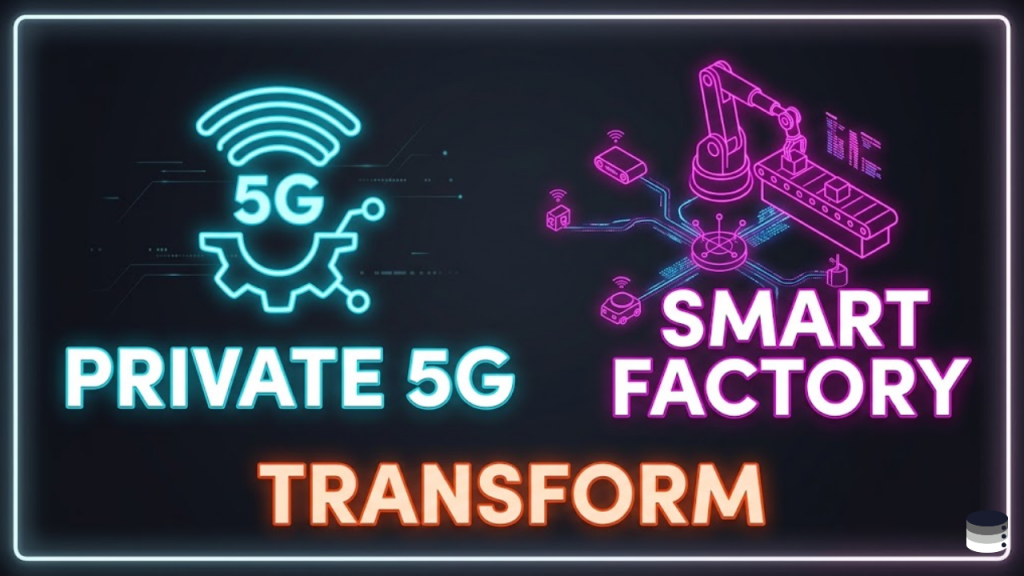
How Private 5G Networks Transform Smart Factory Floors

How Private 5G Networks Transform Smart Factory Floors

What is a Private 5G Network in 2026? A Private 5G network is a dedicated, secure cellular network built specifically for a single industrial site. Unlike public 5G, which shares bandwidth with millions of consumer phones, a private network uses dedicated antennas and a licensed spectrum that the manufacturer fully controls. This allows the factory

How Private 5G Networks Transform Smart Factory Floors Read More »

Why is Li-Fi (Light Fidelity) the Future of Secure Office Networking?

Why is Li-Fi (Light Fidelity) the Future of Secure Office Networking?

What is Li-Fi? Li-Fi, or Light Fidelity, is a wireless communication technology that transmits data using visible light, infrared, or ultraviolet spectrums instead of traditional radio waves. In 2026, Li-Fi has moved past the experimental phase and into widespread enterprise adoption. Because light waves cannot penetrate walls, an office network using Li-Fi creates a “physical

Why is Li-Fi (Light Fidelity) the Future of Secure Office Networking? Read More »

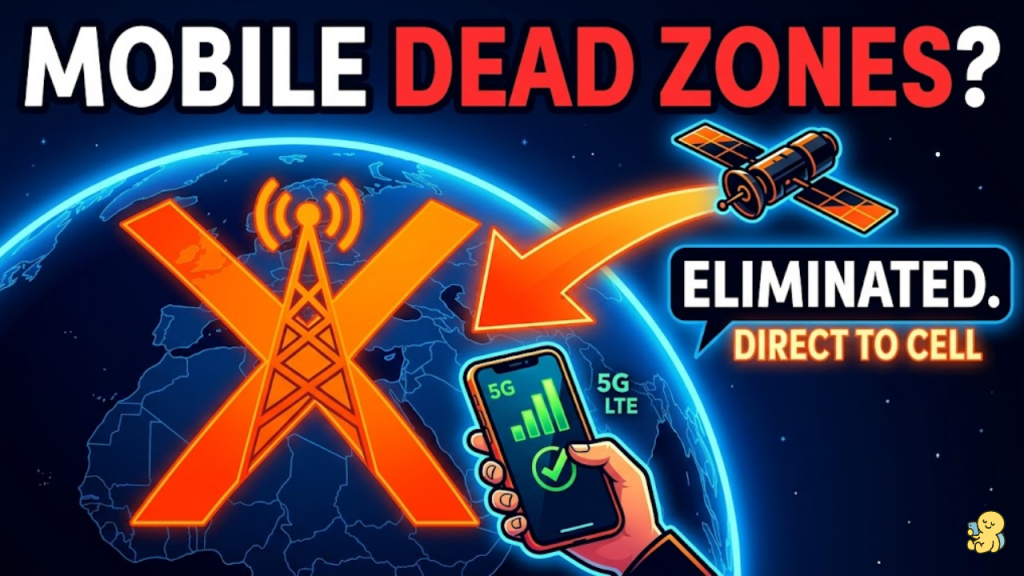
How Does Direct-to-Cell Satellite Tech Eliminate Mobile Dead Zones?

How Does Direct-to-Cell Satellite Tech Eliminate Mobile Dead Zones?

What is Direct-to-Cell technology? Direct-to-Cell (D2C) is a breakthrough that allows your standard smartphone to connect directly to satellites in orbit, just like it connects to a terrestrial cell tower. In 2026, this technology has moved from experimental trials to commercial reality. Instead of relying on ground-based infrastructure, your phone communicates with a constellation of

How Does Direct-to-Cell Satellite Tech Eliminate Mobile Dead Zones? Read More »

Space junk risks 2026, Kessler Syndrome status, orbital debris GPS threat, satellite collision risk, space traffic management, CRASH Clock 2026, LEO congestion, satellite communication security.

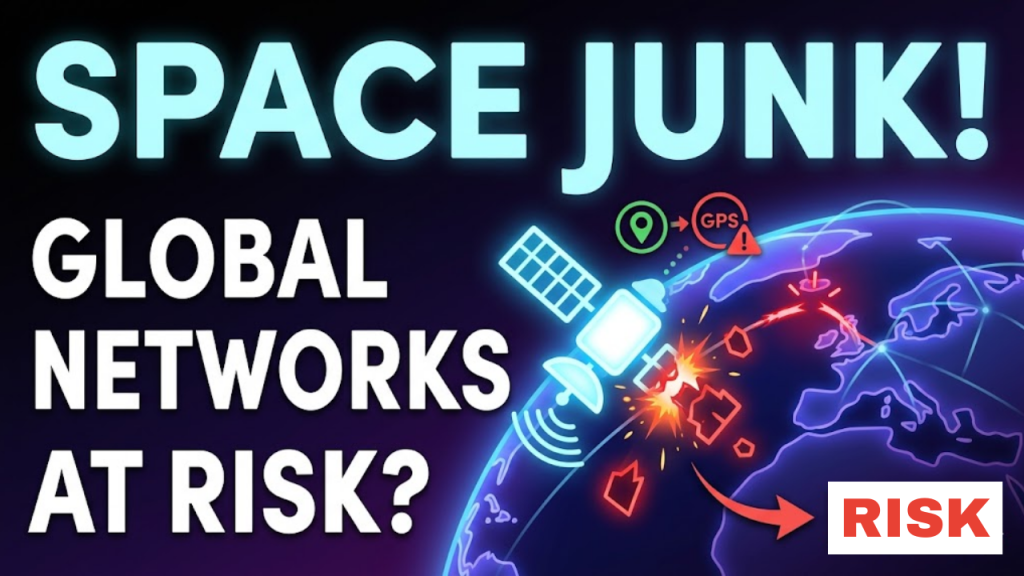
The Hidden Threat: How Space Junk Risks Our Global GPS and Data Networks

What is the status of our orbital environment in 2026? As of April 2026, Earth orbit hosts over 15,000 active satellites. This density has created an environment where the risk of collision is no longer a distant concern, but a daily operational hazard. Space junk, or orbital debris, consists of millions of fragments traveling at

The Hidden Threat: How Space Junk Risks Our Global GPS and Data Networks Read More »

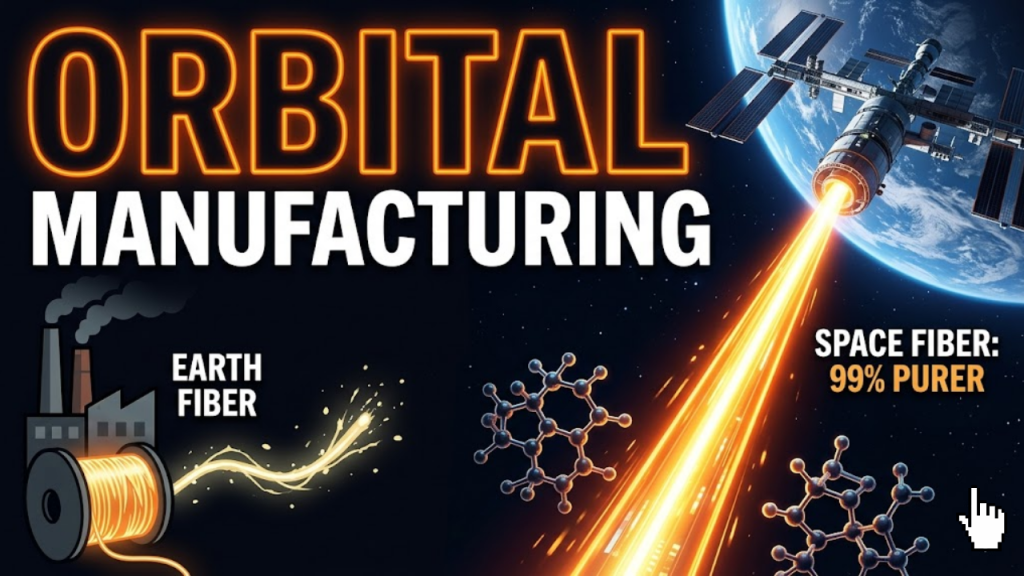
Can Orbital Manufacturing Create Better Fiber Optics Than Earth?

Can Orbital Manufacturing Create Better Fiber Optics Than Earth?

Is space the new factory for the world’s most advanced glass? Many researchers believe that the answer is yes. For decades, engineers have struggled to manufacture ZBLAN fluoride glass fiber on Earth because gravity ruins the process. On our planet, gravity induces crystallization and impurities within the glass structure during fabrication. In contrast, the microgravity

Can Orbital Manufacturing Create Better Fiber Optics Than Earth? Read More »