Technology

How CRISPR 2.0 Changes the Treatment of Genetic Diseases (2026)

How “CRISPR 2.0” Changes the Treatment of Genetic Diseases (2026)

What is CRISPR 2.0? CRISPR 2.0 refers to the second generation of gene-editing technologies, specifically Base Editing and Prime Editing, that have moved beyond the “molecular scissors” of original CRISPR-Cas9. In 2026, the focus has shifted from simply cutting DNA to “search-and-replace” editing. Unlike the first generation, which often caused unintended mutations by breaking both […]

How “CRISPR 2.0” Changes the Treatment of Genetic Diseases (2026) Read More »

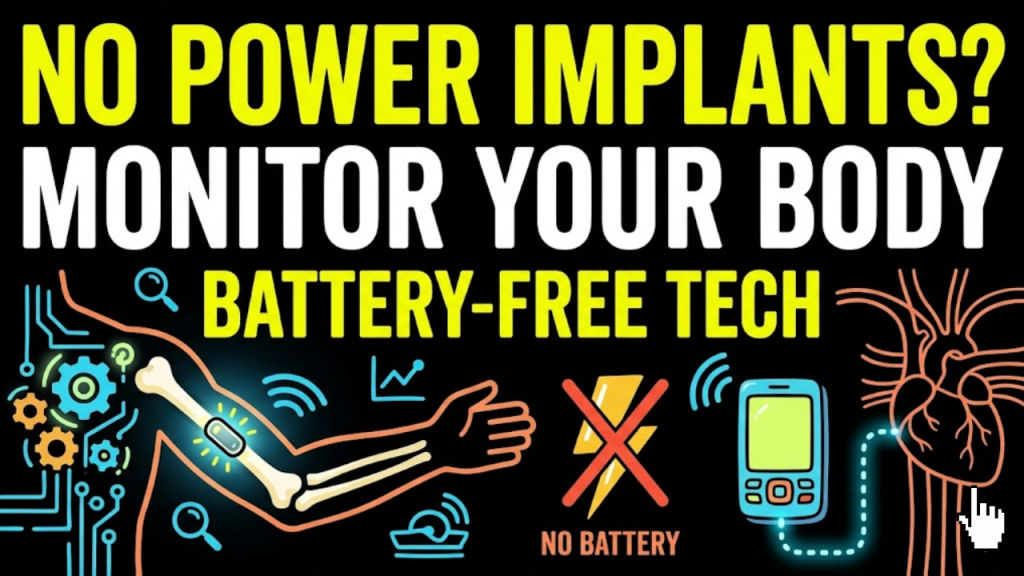
Can a wearable actually predict a heart attack? In 2026, the short answer is: almost. While standard smartwatches cannot yet give you a "24-hour warning" with 100% certainty, a new generation of wearable biosensors and AI-driven algorithms is closing the gap. Current research shows that specific biosensors can now detect "Invisible Signals", such as micro-shifts in heart rate variability (HRV), magnetic field fluctuations, and sub-clinical arrhythmias—that often precede a major cardiac event by several hours or even a full day. This technology is shifting the paradigm from "reactive treatment" to "anticipatory care," potentially giving patients a critical head start to seek medical help before permanent damage occurs. The Science of the "24-Hour Warning" In 2026, the breakthrough isn't just in the sensor itself, but in the AI Orchestration behind the data. 1. Magnetic Field Detection Standard smartwatches use light (PPG) to track heart rate. However, 2026-era magnetic biosensors can now convert the heart's actual magnetic field into voltage signals. These sensors provide a much higher fidelity of data, allowing machine learning models to identify abnormal heartbeats and subtle "deterioration signatures" that occur 24 hours before a patient feels any symptoms. 2. Multi-Modal Data Integration AI models now achieve over 90% accuracy in risk assessment by combining data from multiple sources. A single wearable can now track: Heart Rate Variability (HRV): Rapid drops in HRV can signal extreme physiological stress. Respiratory Rate: Sudden increases often precede cardiac distress. ECG Synthesis: At-home, cable-free 12-lead ECGs can now be synthesized from a single wearable point, providing clinical-grade insights outside a hospital. 3. The "Symptom-to-Door" Gap Currently, patients often wait 3 to 4 hours after feeling symptoms before seeking help. Wearable biosensors aim to eliminate this gap by providing an "Alert" the moment sub-perceptual changes are detected, effectively moving the intervention window back by several hours. 2026 Breakthrough: Predicting Heart Failure Years in Advance While predicting an acute heart attack is the immediate goal, 2026 research has also unlocked the ability to predict Heart Failure up to five years in advance. AI tools at the University of Oxford now analyze "invisible textural changes" in the fat around the heart using routine scans. This "early warning system" allows doctors to treat inflammation years before it ever leads to a heart attack. Frequently Asked Questions (FAQ) 1. Should I trust my Apple Watch to predict a heart attack? In 2026, consumer smartwatches are excellent for detecting atrial fibrillation (AFib), but they are not yet FDA-cleared for heart attack prediction. You should use them as a "trend monitor" rather than a definitive diagnostic tool. 2. What is the difference between a heart attack and heart failure? A heart attack is a "plumbing" problem where a blockage stops blood flow. Heart failure is a "pumping" problem where the heart becomes too weak to move blood efficiently. Wearables are becoming effective at detecting the early signs of both. 3. Are these sensors only for high-risk patients? While high-risk patients benefit most, 2026 wellness trends see healthy individuals using "Preventive Patches" for continuous 24-hour monitoring to establish a "baseline" for their heart health. 4. Why do I see an Apple Security Warning on my health app? If your medical app attempts to share unencrypted raw ECG data with a third-party server without your explicit consent, you may trigger an Apple Security Warning on your iPhone. 5. What is an "ECG Patch"? This is a 2026 medical wearable that adheres to the chest. It provides a much more stable and accurate signal than a wrist-worn watch, making it the preferred tool for true 24-hour predictive monitoring. 6. Can AI tell me I'm having a heart attack right now? Yes. Systems like HeartBeam are currently in pilot studies to enable at-home heart attack assessment using 3D ECG technology, aiming to significantly reduce the time it takes to get to an emergency room. 7. Does insurance cover these wearables in 2026? Many private insurers and the NHS are beginning to cover medical-grade wearables for patients with a history of cardiovascular disease, as they reduce hospitalization rates by 18% to 25%. 8. What is the "Invisible Signal" researchers mention? It refers to changes in the fat and magnetic fields around the heart that human doctors cannot see on standard scans but that AI can detect with high accuracy. Final Verdict: The Era of the Early Warning In 2026, wearable biosensors have not replaced the cardiologist, but they have given the cardiologist a "24-hour head start." By monitoring the heart's subtle electrical and magnetic shifts, these devices are turning the "silent" signs of a heart attack into loud, life-saving alerts. Ready to upgrade your health tech? Explore our guide on How to Become a Web Developer in 2026 to learn how these medical APIs are built, or discover how to secure your data in Why Passkeys are Replacing Passwords in 2026. Authority Resources Texas Tech: Researchers Hope to Advance Wearable Heart Monitoring – Deep dive into magnetic sensors and AI heart condition prediction. BHF: AI Tool Can Predict Heart Failure Five Years in Advance – The latest breakthrough in Oxford-led cardiac scanning. HeartBeam: Heart Attack Detection Pilot Study – Official progress on clinical-grade 3D ECG wearables. Dove Press: AI for Cardiovascular Risk Prediction Review – A comprehensive synthesis of AI accuracy in wearable heart monitoring.

Can Wearable Biosensors Predict a Heart Attack 24 Hours in Advance?

Can a wearable actually predict a heart attack? In 2026, the short answer is: almost. While standard smartwatches cannot yet give you a “24-hour warning” with 100% certainty, a new generation of wearable biosensors and AI-driven algorithms is closing the gap. Current research shows that specific biosensors can now detect “Invisible Signals”, such as micro-shifts

Can Wearable Biosensors Predict a Heart Attack 24 Hours in Advance? Read More »

What Are "Bio-Computers" and Could They Replace Silicon?

What Are “Bio-Computers” and Could They Replace Silicon?

What are bio-computers? Bio-computers are hybrid systems that use living biological materials, such as lab-grown brain organoids or engineered DNA, to perform computational tasks. In 2026, this field is known as Organoid Intelligence (OI). Unlike a standard PC that uses silicon transistors and electricity, a bio-computer uses clusters of living neurons (mini-brains) organized into 3D

What Are “Bio-Computers” and Could They Replace Silicon? Read More »

How Generative AI Accelerates Life-Saving Drug Discovery (2026)

How Generative AI Accelerates Life-Saving Drug Discovery (2026)

How does Generative AI speed up drug discovery in 2026? Generative AI accelerates drug discovery by moving the most expensive parts of research from the “wet lab” to a digital environment. In 2026, GenAI models no longer just analyze data; they design entirely new molecules from scratch based on a desired therapeutic goal. By simulating

How Generative AI Accelerates Life-Saving Drug Discovery (2026) Read More »

Why is the "Borderless Paradox" a Major Challenge for Cloud Architects?

Why is the “Borderless Paradox” a Major Challenge for Cloud Architects?

What is the Borderless Paradox? The Borderless Paradox is the 2026 architectural conflict where technology requires borderless collaboration to function (e.g., global AI training and distributed clouds), yet governments demand strict digital borders (e.g., data sovereignty and national firewalls). In 2026, tech sovereignty has moved from a policy concept to a strategic priority. You are

Why is the “Borderless Paradox” a Major Challenge for Cloud Architects? Read More »

How Cloud 3.0 Changes Microservices Architecture

How Cloud 3.0 Changes Microservices Architecture

What is Cloud 3.0 for microservices? Cloud 3.0 represents a shift from “Cloud Native” (Cloud 2.0) to “Distributed by Default.” In 2026, we no longer build for a single provider like AWS or Azure. Instead, Cloud 3.0 establishes an intelligent, interconnected fabric that spans hyperscalers, regional sovereign clouds, and edge locations. For microservices, this means

How Cloud 3.0 Changes Microservices Architecture Read More »

The Top 5 Sovereign Cloud Providers to Watch in 2026

The Top 5 Sovereign Cloud Providers to Watch in 2026

What is a Sovereign Cloud in 2026? A sovereign cloud is a digital infrastructure that ensures data residency, operational autonomy, and legal protection within a specific national or regional jurisdiction. In 2026, the market has shifted from “Cloud-First” to “Sovereign AI-First.” This means providers no longer just store data; they guarantee that the entire AI

The Top 5 Sovereign Cloud Providers to Watch in 2026 Read More »

How Can AI-Assisted Cloud Management Reduce Monthly Infrastructure Bills?

How Can AI-Assisted Cloud Management Reduce Monthly Infrastructure Bills?

What is AI-assisted cloud management in 2026? AI-assisted cloud management is a proactive approach that uses machine learning to monitor, forecast, and automatically adjust cloud resources. In 2026, it has moved beyond simple “cost dashboards” to Autonomous FinOps. These AI agents analyze millions of data points, including CPU, memory, and network traffic, to make real-time

How Can AI-Assisted Cloud Management Reduce Monthly Infrastructure Bills? Read More »

What is Cloud Portability and why does it matter for vendor lock-in

What is “Cloud Portability” and why does it matter for vendor lock-in?

What is Cloud Portability? Cloud portability is the ability to move applications and data from one cloud provider to another without needing to rewrite code or change configurations. In 2026, this is no longer a “nice-to-have” feature; rather, it is a core business strategy. It ensures that your software isn’t “trapped” inside a specific vendor’s

What is “Cloud Portability” and why does it matter for vendor lock-in? Read More »

Public Cloud vs. Private Sovereign Cloud: The 2026 Guide

Public Cloud vs. Private Sovereign Cloud: The 2026 Guide

What is a Sovereign Cloud? Unlike a standard public cloud (like AWS or Azure), a Sovereign Cloud is an environment specifically designed to meet national and regional requirements for data residency, operational control, and legal protection. In 2026, this is no longer just about “where” data is stored; rather, it is about “who” can access

Public Cloud vs. Private Sovereign Cloud: The 2026 Guide Read More »